
Following an anti-inflammatory diet can support your overall health, but certain mistakes may make this eating pattern unnecessarily difficult or less effective. While the goal is to reduce chronic inflammation and promote wellness, common pitfalls can lead to frustration and make it harder to maintain healthy habits.
In this article, we’ll explore five common anti-inflammatory diet mistakes. By understanding and avoiding them, you can make more balanced food choices and develop an eating pattern you can maintain over time.
What Is an Anti-Inflammatory Diet?
An anti-inflammatory diet is an eating pattern designed to help reduce chronic inflammation. Chronic inflammation is associated with several health conditions, including cardiovascular disease, arthritis, and type 2 diabetes.
This diet emphasizes whole and minimally processed foods rich in nutrients, antioxidants, fiber, and healthy fats. The goal is to nourish your body with balanced foods that may help support a healthy inflammatory response and improve overall well-being.
The Connection Between Food and Inflammation
The connection between food and inflammation is well documented. A diet high in ultra-processed foods, added sugars, refined carbohydrates, and certain unhealthy fats may contribute to chronic inflammation and other health problems.
On the other hand, foods rich in antioxidants, fiber, and healthy fats can support a balanced inflammatory response. These nutrients may help protect cells from oxidative stress, support a healthy gut microbiome, and promote overall health.
By choosing more nutrient-dense foods and reducing your consumption of highly processed products, you can develop a healthier and more balanced eating pattern.
Foods to Include in an Anti-Inflammatory Diet
Fruits and vegetables
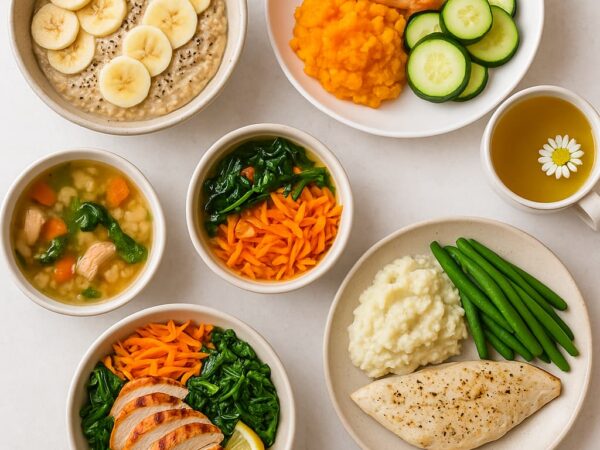
Fruits and vegetables are cornerstones of an anti-inflammatory diet. Berries, oranges, and cherries contain antioxidants, vitamins, and beneficial plant compounds. Leafy greens, broccoli, and bell peppers provide essential nutrients and fiber.
Healthy fats
Omega-3 fatty acids found in fatty fish such as salmon, sardines, and mackerel can be part of an anti-inflammatory eating pattern. Flaxseeds, chia seeds, walnuts, avocados, and extra-virgin olive oil are also excellent sources of healthy fats.
Whole grains
Unlike refined grains, whole grains such as brown rice, quinoa, and oats retain more of their natural fiber and nutrients. They can provide steady energy and support digestive health.
Nuts and seeds
Almonds, walnuts, chia seeds, and flaxseeds provide healthy fats, protein, fiber, vitamins, and minerals. They can be easily incorporated into meals and snacks.
Spices and herbs
Turmeric, ginger, garlic, and cinnamon contain plant compounds that have been studied for their potential health benefits. They also add flavor to meals without relying on excessive amounts of salt or sugar.
Legumes
Beans, lentils, and chickpeas are excellent sources of plant-based protein and fiber. They may help support digestive health, fullness, and more stable blood sugar levels.
Green tea
Green tea contains antioxidants and can be a healthy addition to your daily routine. Choose unsweetened green tea to avoid unnecessary added sugar.
5 Common Anti-Inflammatory Diet Mistakes
Following an anti-inflammatory diet can support your health, but it is easy to make mistakes that undermine your efforts. Here are five common mistakes and what you can do instead.
1. Relying on processed “health” foods
Many processed foods labeled “healthy,” “natural,” “gluten-free,” or “plant-based” can still contain added sugars, refined grains, large amounts of sodium, or highly processed ingredients. This is one of the biggest Anti-Inflammatory Diet Mistakes
Read food labels carefully instead of relying only on claims printed on the front of the package. Whenever possible, focus on whole and minimally processed foods such as vegetables, fruits, legumes, whole grains, fish, nuts, seeds, and lean sources of protein.
You do not have to eliminate every packaged food. The goal is to make minimally processed foods the foundation of your diet.
2. Neglecting healthy fats
Some people avoid all dietary fat because they believe that every type of fat is unhealthy. However, healthy fats are an important part of a balanced anti-inflammatory diet.
Extra-virgin olive oil, avocados, nuts, seeds, and fatty fish provide monounsaturated fats or omega-3 fatty acids. These foods can also make meals more satisfying and help your body absorb certain vitamins.
Instead of eliminating fat, focus on choosing nutritious sources and consuming them in reasonable portions.
3. Ignoring portion sizes and overall balance
Even nutritious foods can provide more energy than your body needs when consumed in very large quantities. This is especially relevant for calorie-dense foods such as nuts, seeds, oils, and avocados.
You do not need to count every calorie or measure every ingredient. Instead, aim to create balanced meals containing vegetables, protein, fiber-rich carbohydrates, and healthy fats.
Paying attention to hunger and fullness signals can also help you choose portions that meet your individual needs.
4. Skipping meals without considering how it affects you
Skipping a meal does not automatically cause inflammation. However, for some people, going too long without eating can result in excessive hunger, low energy, or overeating later in the day. Avoid this Anti-Inflammatory Diet Mistakes commonly ingnored.
If skipping meals makes it harder for you to make balanced choices, try eating regular meals containing protein, fiber-rich carbohydrates, and healthy fats. This combination can help you feel satisfied and may support steadier blood sugar levels.
Meal timing is personal, so choose an eating schedule that works with your health needs, preferences, and daily routine.
5. Overlooking allergies and individual food sensitivities
Foods that are healthy for most people may cause symptoms in someone with a diagnosed allergy, intolerance, or medical condition.
Gluten, dairy products, and nuts do not automatically cause inflammation in everyone. You should not eliminate these foods unless they cause symptoms or a qualified healthcare professional advises you to avoid them.
Pay attention to how your body responds to different foods. If you regularly experience digestive problems, skin reactions, pain, or other symptoms after eating, speak with a physician or registered dietitian before eliminating entire food groups.
Avoiding these common anti-inflammatory diet mistakes can help you develop a more balanced and sustainable approach to healthy eating.
Focus on whole and minimally processed foods, include nutritious sources of fat, build balanced meals, and pay attention to your body’s individual needs. Remember that an anti-inflammatory diet does not need to be restrictive or perfect to support your health.
Small, consistent improvements are usually more sustainable than trying to change your entire diet overnight.
If you need help getting started, explore this beginner-friendly 7-day anti-inflammatory meal plan.
You can also find additional meal ideas in Anti-Inflammatory Diet for Beginners: 75 Easy and Delicious Recipes with a 7-Day Meal Plan to Reduce Inflammation.
You Might Also Like
Anti-Inflammatory Diet Guides
- Anti-Inflammatory Diet: Beginner’s Guide
- 10 Best Anti-Inflammatory Foods to Eat
- 8 Inflammatory Foods to Avoid on an Anti-Inflammatory Diet
- Anti-Inflammatory Pantry: Essential Staples to Keep on Hand
- Turmeric for Inflammation: 5 Benefits and Easy Ways to Use It
Anti-Inflammatory Recipes
- Anti-Inflammatory Bone Broth Recipe (Slow Cooker or Stovetop)
- Healthy Sweet Potato Breakfast Hash
- 14 Best Anti-Inflammatory Snacks to Eat
- Easy Red Lentil Soup Recipe (Healthy & Plant-Based)
Recommended Cookbook
- Anti-Inflammatory Diet for Beginners | 75 Recipes + Free 7-Day Meal Plan
- Best Anti-Inflammatory Cookbook: 3 Top Picks for Beginners