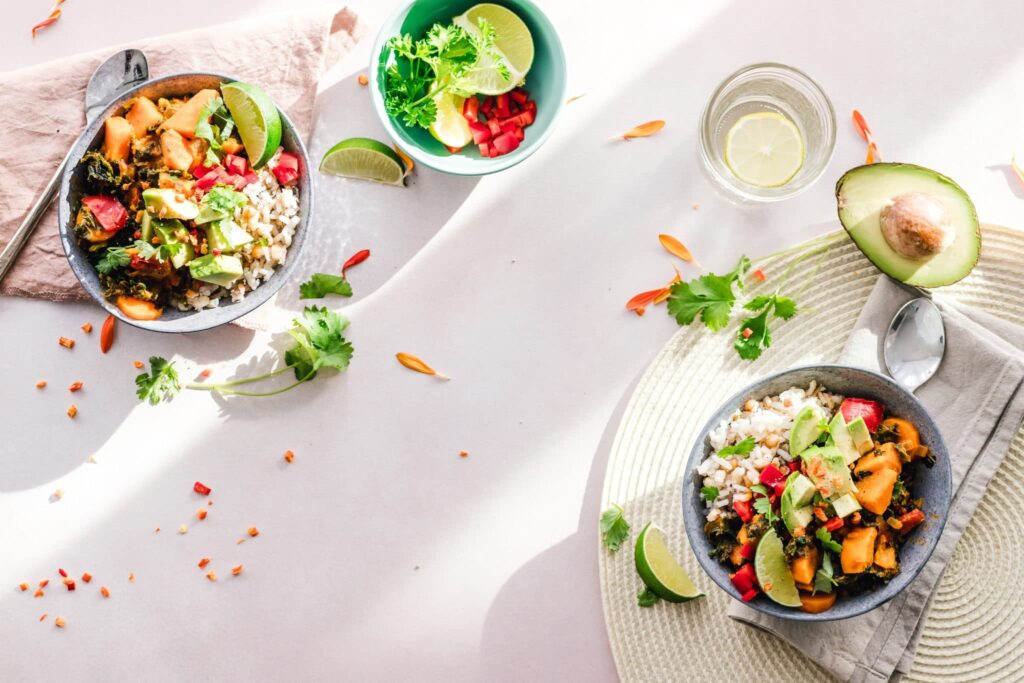
Anti-inflammatory foods are generally minimally processed foods that provide fiber, unsaturated fats, vitamins, minerals and plant compounds. Eating a varied pattern that includes these foods may support overall health, but no individual food can prevent or cure inflammation-related conditions.
Below are 10 foods and food groups that can fit into an anti-inflammatory-style eating pattern, along with practical ideas for adding them to everyday meals.
For a broader explanation, read the Anti-Inflammatory Diet for Beginners.
Table of Contents
What Are Anti-Inflammatory Foods?
The term describes foods commonly emphasized in balanced eating patterns such as the Mediterranean diet. These patterns typically include vegetables, fruits, legumes, whole grains, fish, nuts, seeds, olive oil, herbs and spices while limiting heavily processed foods.
Rather than relying on one “superfood,” aim for variety and consistency across your meals.
Related: 7-Day Anti-Inflammatory Meal Plan for Joint Pain: Natural Relief Through Food
10 Best Anti-Inflammatory Foods and Food Groups
1. Berries
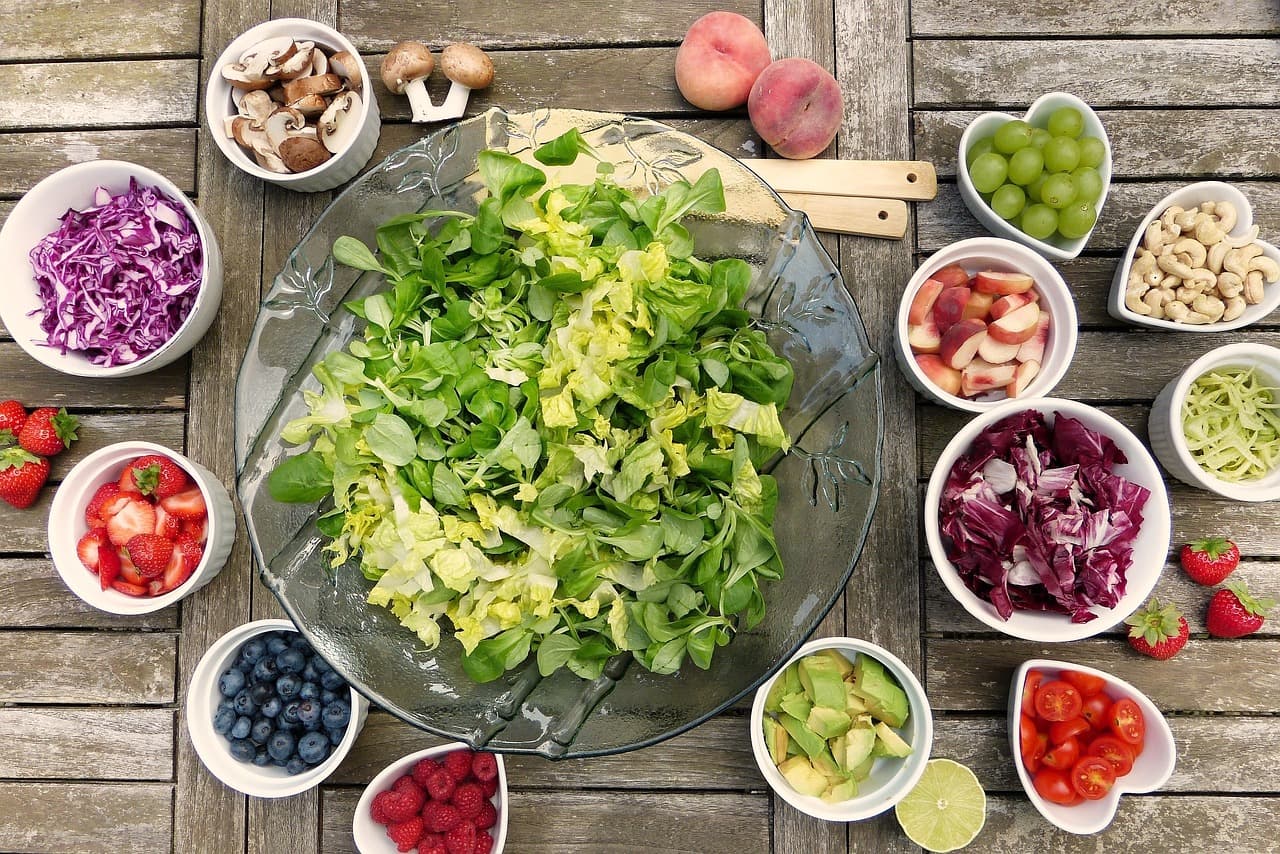
Blueberries, strawberries, raspberries and blackberries provide fiber, vitamins and plant compounds called polyphenols. Add berries to oatmeal, yogurt, smoothies or salads.
2. Leafy Green Vegetables
Spinach, kale, Swiss chard and other leafy greens provide fiber, vitamins and carotenoids. Use them in salads, soups, omelets or grain bowls.
3. Cruciferous Vegetables
Broccoli, cauliflower, cabbage and Brussels sprouts contain fiber and a variety of plant compounds. Roast them with olive oil or add them to soups and stir-fries.
4. Fatty Fish
Salmon, sardines, mackerel, trout and herring provide omega-3 fatty acids. Try adding fish to meals twice weekly if it suits your dietary needs and preferences.
5. Extra-Virgin Olive Oil
Extra-virgin olive oil is a source of monounsaturated fat and polyphenols. Use it in salad dressings or drizzle it over vegetables, beans and whole grains.
6. Nuts and Seeds
Walnuts, almonds, chia seeds and ground flaxseed provide unsaturated fats, fiber and plant-based nutrients. Add a small portion to oatmeal, yogurt or salads.
7. Beans and Lentils
Chickpeas, black beans, kidney beans and lentils provide fiber and plant-based protein. Use them in soups, salads, stews and grain bowls.
8. Whole Grains
Oats, quinoa, barley and brown rice provide fiber and other nutrients. Choose intact or minimally processed whole grains more often than refined grains.
9. Tomatoes
Tomatoes provide vitamin C and lycopene, a carotenoid responsible for their red color. Enjoy them fresh, roasted or cooked into soups and sauces.
10. Herbs and Spices
Turmeric, ginger, garlic and cinnamon add flavor and provide plant compounds without requiring extra sugar or salt. Use culinary amounts in everyday meals; supplements may have side effects or interact with medications.
Want practical recipes using these ingredients? Explore the Mediterranean Diet Cookbook for Inflammation, featuring 84 Mediterranean-inspired recipes and a 7-day meal plan.
Foods to Limit
An anti-inflammatory-style eating pattern focuses mainly on what you include, but it may also help to limit foods that are heavily processed or high in added sugar, sodium or saturated fat, such as:
- Sugar-sweetened drinks
- Candy, cookies and pastries
- Refined grains such as white bread
- Processed meats such as bacon, sausage and deli meat
- Foods containing partially hydrogenated oils
- Frequent or excessive alcohol
These foods do not need to be treated as “forbidden.” Your overall eating pattern, frequency and portion sizes matter more than any single food.
How to Add More Anti-Inflammatory Foods to Your Meals
Start with small changes that fit your routine:
- Add berries or ground flaxseed to oatmeal.
- Include a vegetable at lunch and dinner.
- Replace some refined grains with oats, quinoa, barley or brown rice.
- Use beans or lentils in soups, salads and stews.
- Choose olive oil for dressings and cooking when appropriate.
- Keep unsalted nuts or seeds available for simple snacks.
- Add herbs and spices to meals for flavor.
- Include fatty fish if it fits your dietary preferences.
A simple meal can include vegetables, a protein source, a high-fiber carbohydrate and an unsaturated fat. You do not need to change everything at once; consistent, manageable choices are more practical than a highly restrictive plan.
Final Thoughts
The best anti-inflammatory foods are not unusual or difficult to find. Vegetables, berries, whole grains, beans, fish, nuts, seeds and olive oil can all contribute to a varied, nutrient-rich eating pattern.
Focus on adding these foods gradually and building meals you enjoy. If you have a medical condition, take medication or need a specialized diet, consult a qualified healthcare professional or registered dietitian before making significant dietary changes.
More Anti-Inflammatory Resources
Anti-Inflammatory Diet Guides
- Anti-Inflammatory Diet: Beginner’s Guide
- Anti-Inflammatory Pantry: Essential Staples to Keep on Hand
- Turmeric for Inflammation: 5 Benefits and Easy Ways to Use It
Anti-Inflammatory Recipes
- Anti-Inflammatory Bone Broth Recipe (Slow Cooker or Stovetop)
- Healthy Sweet Potato Breakfast Hash
- 14 Best Anti-Inflammatory Snacks to Eat
- Easy Red Lentil Soup Recipe (Healthy & Plant-Based)
Recommended Cookbooks
- Anti-Inflammatory Cookbook for Beginners: 75 Recipes
- 3 Best Anti-Inflammatory Cookbooks for Beginners
- Mediterranean Diet Cookbook for Inflammation: 84 Easy Recipes for Gut Health and Better Digestion
Sources
- Cleveland Clinic — Should You Follow an Anti-Inflammatory Diet?
- Johns Hopkins Medicine — Anti-Inflammatory Diet
Disclosure: This page contains affiliate links. If you purchase through one of these links, this website may earn a commission at no additional cost to you. One recommended cookbook was written by Katey Lyon, the author of this website.
The information on this page is for educational purposes only and is not intended to diagnose, treat, cure or prevent any medical condition.

[…] 10 Best Anti-Inflammatory Foods to Eat […]
[…] 10 Best Anti-Inflammatory Foods to Eat […]
[…] 10 Best Anti-Inflammatory Foods to Eat […]
[…] 10 Best Anti-Inflammatory Foods to Eat […]