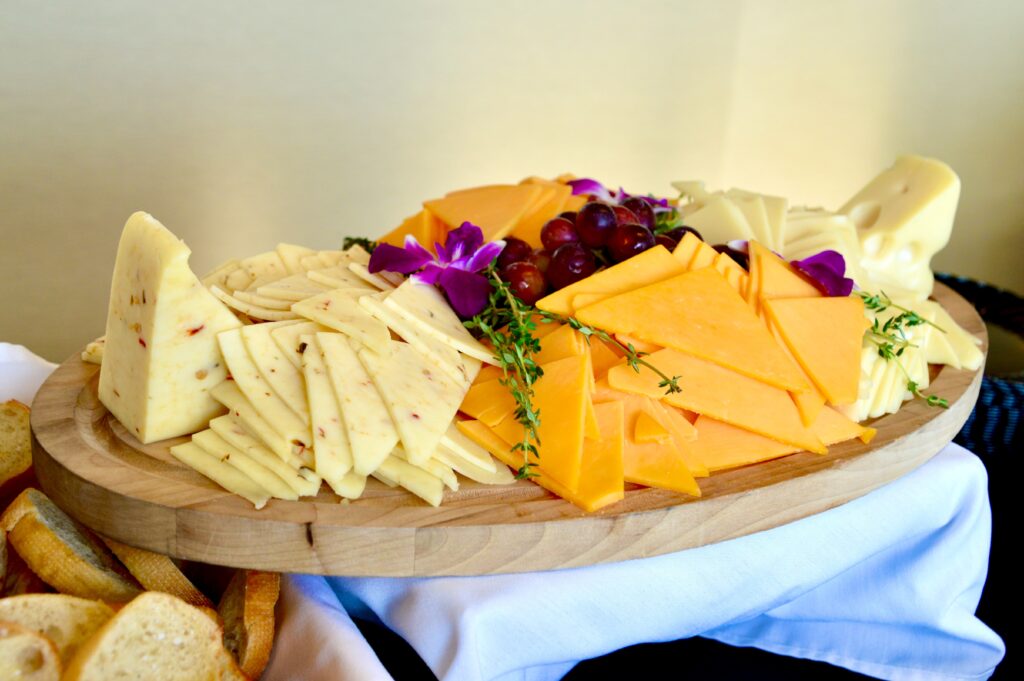
Does cheese cause inflammation? For most people, the answer is yes. Although cheese is not considered an anti-inflammatory food in the same way as vegetables, berries, olive oil, nuts, or fatty fish, moderate amounts can fit into a balanced anti-inflammatory eating pattern.
Research does not show that dairy products automatically cause inflammation in everyone. Their effects may be neutral or vary depending on the type of dairy product, the amount consumed, the person’s overall diet, and individual conditions such as a milk allergy or lactose intolerance.
Cheese also provides valuable nutrients, including protein, calcium, phosphorus, and vitamin B12. However, some varieties can be high in sodium and saturated fat, so portion size is important.
Here are eight cheeses that can fit into an anti-inflammatory diet and simple ways to enjoy them, responding to the question: Does cheese cause inflammation?.
1. Feta Cheese
Feta is a flavorful cheese traditionally made from sheep’s milk or a combination of sheep’s and goat’s milk. It provides protein and calcium, and its strong flavor means that a small amount can add plenty of taste to a meal.
Feta can be relatively high in sodium, so use it in moderate portions. Pairing it with vegetables, whole grains, legumes, and extra-virgin olive oil is an excellent way to incorporate it into an anti-inflammatory eating pattern.
Recipe: Mediterranean Quinoa Salad With Feta Cheese
Servings: 4
Preparation time: 15 minutes
Cooking time: 15 minutes
Ingredients
- 1 cup quinoa
- 2 cups water
- 1 cup cherry tomatoes, halved
- ½ cup cucumber, diced
- ¼ cup red onion, finely chopped
- ¼ cup Kalamata olives, pitted and sliced
- 2 tablespoons fresh parsley, chopped
- 2 tablespoons extra-virgin olive oil
- 2 tablespoons lemon juice
- 1 teaspoon dried oregano
- Salt and black pepper, to taste
- ½ cup crumbled feta cheese
Instructions
- Rinse the quinoa thoroughly under cold water.
- Bring the water to a boil in a medium saucepan. Add the quinoa, reduce the heat, and cover.
- Simmer for approximately 15 minutes or until the water has been absorbed and the quinoa is tender. Remove it from the heat and allow it to cool.
- Combine the quinoa, tomatoes, cucumber, red onion, olives, and parsley in a large bowl.
- Whisk together the olive oil, lemon juice, oregano, salt, and black pepper.
- Pour the dressing over the quinoa mixture and toss gently.
- Sprinkle the feta cheese over the salad and serve.
This Mediterranean quinoa salad combines feta with vegetables, whole grains, and extra-virgin olive oil—foods commonly included in an anti-inflammatory diet.
2. Cottage Cheese
Cottage cheese is an excellent source of protein and can help make breakfast, lunch, or a snack more satisfying. It is also available in different fat percentages, allowing you to choose the variety that best suits your dietary needs.
Because some cottage cheeses contain a considerable amount of sodium, compare nutrition labels when shopping. Look for a lower-sodium option when available.
Try serving cottage cheese with berries, walnuts, chia seeds, sliced tomatoes, or cucumber. These additions provide fiber, antioxidants, and healthy fats.
3. Ricotta Cheese
Ricotta has a soft texture and mild flavor. It provides protein, calcium, phosphorus, and vitamin B12, nutrients that support bone health, muscle function, and overall wellness.
Part-skim ricotta generally contains less saturated fat than whole-milk ricotta. However, either variety can fit into a balanced diet when consumed in an appropriate portion.
Recipe: Spinach and Ricotta Stuffed Chicken Breast
Servings: 4
Preparation time: 20 minutes
Cooking time: 25 minutes
Ingredients
- 4 boneless, skinless chicken breasts
- 1 cup fresh spinach, chopped
- ½ cup ricotta cheese
- ¼ cup grated Parmesan cheese
- 2 garlic cloves, minced
- 1 tablespoon fresh basil, chopped
- 1 tablespoon fresh lemon juice
- 1 tablespoon extra-virgin olive oil
- Salt and black pepper, to taste
Instructions
- Preheat the oven to 400°F (200°C). Lightly grease a baking dish with olive oil or line it with parchment paper.
- Combine the spinach, ricotta, Parmesan, garlic, basil, lemon juice, salt, and black pepper in a bowl.
- Place the chicken breasts on a cutting board. Using a sharp knife, carefully cut a pocket into the thickest part of each breast.
- Divide the spinach and ricotta mixture among the chicken breasts.
- Season the outside of the chicken with salt and black pepper.
- Heat the olive oil in a large skillet over medium-high heat. Sear the stuffed chicken breasts for approximately two minutes on each side.
- Transfer the chicken to the prepared baking dish.
- Bake for 20–25 minutes or until the chicken reaches an internal temperature of 165°F (74°C).
- Let the chicken rest for several minutes before serving.
Serve the stuffed chicken with roasted vegetables, quinoa, or a fresh salad for a balanced meal.
4. Fresh Mozzarella
Fresh mozzarella is a mild, versatile cheese that provides protein and calcium. It is often lower in sodium than heavily processed cheeses, although the amount varies by brand.
Mozzarella itself should not be described as an anti-inflammatory food. However, it can be combined with tomatoes, basil, vegetables, whole grains, and extra-virgin olive oil to create meals that align with an anti-inflammatory eating pattern.
Recipe: Caprese Quinoa Salad
Servings: 4
Preparation time: 15 minutes
Cooking time: 15 minutes
Ingredients
- 1 cup quinoa
- 2 cups water
- 1 cup cherry tomatoes, halved
- 8 ounces fresh mozzarella, cubed
- ½ cup fresh basil leaves, torn
- 2 tablespoons extra-virgin olive oil
- 2 tablespoons balsamic vinegar
- Salt and black pepper, to taste
Instructions
- Rinse the quinoa thoroughly under cold water.
- Bring the water to a boil in a medium saucepan. Add the quinoa, reduce the heat, and cover.
- Simmer for approximately 15 minutes or until the water has been absorbed. Remove it from the heat and allow it to cool.
- Combine the quinoa, cherry tomatoes, mozzarella, and basil in a large bowl.
- Whisk together the olive oil and balsamic vinegar. Season with salt and black pepper.
- Pour the dressing over the salad and toss gently.
- Allow the salad to rest for several minutes before serving.
You can add cucumber, avocado, or olives for additional flavor and nutrients.
5. Parmesan Cheese
Parmesan is an aged cheese with a concentrated, savory flavor. Because its flavor is strong, a small amount can add depth to soups, salads, vegetables, and whole-grain dishes.
Parmesan provides protein, calcium, and phosphorus. It is also naturally low in lactose because much of the lactose is broken down during cheesemaking and aging. This may make it easier to tolerate for some people with lactose intolerance, although individual tolerance varies.
Parmesan can be high in sodium, so use it as a garnish rather than the main ingredient. It should not automatically be considered probiotic because not every commercial aged cheese contains meaningful amounts of live microorganisms by the time it is consumed.
6. Swiss Cheese
Swiss cheese provides protein, calcium, phosphorus, and vitamin B12. It is naturally low in lactose and is often lower in sodium than cheeses such as feta, Parmesan, and certain processed varieties.
The exact nutritional content varies by product, so compare labels when choosing a brand. Swiss cheese can be added to a vegetable omelet, whole-grain sandwich, or salad.
Although Swiss cheese contains saturated fat, enjoying a moderate portion as part of an eating pattern rich in vegetables, fruits, legumes, whole grains, nuts, seeds, and healthy oils can be a reasonable choice.
7. Cheddar Cheese
Cheddar provides high-quality protein, calcium, phosphorus, and vitamin B12. Aged cheddar is also naturally low in lactose, although people with a milk allergy must still avoid it.
Cheddar is not inherently inflammatory, but it can be high in saturated fat and sodium. Choose a reasonable portion and use it to complement nutrient-dense foods rather than making it the main component of your meal.
Try adding a small amount of grated cheddar to scrambled eggs with vegetables, a bean-based chili, a baked potato with broccoli, or a whole-grain sandwich.
8. Goat Cheese
Goat cheese has a distinctive flavor and provides protein, calcium, and other nutrients. It generally contains less lactose than some fresh cow’s-milk products, but it is not lactose-free.
Some people find goat cheese easier to digest, possibly because goat milk has smaller fat globules and a different protein composition. However, tolerance varies from person to person.
Goat cheese can be relatively high in sodium and saturated fat, depending on the variety. Enjoy it in moderate portions with vegetables, fruit, legumes, or whole grains. It works especially well in salads containing leafy greens, walnuts, berries, roasted vegetables, or quinoa.
People with a cow’s-milk protein allergy should consult a healthcare professional before trying goat cheese because the proteins can be similar enough to cause a reaction.
Does Cheese Cause Inflammation?
Current research does not show that dairy foods cause inflammation in everyone. Dairy consumption generally appears to have a neutral or variable effect on inflammatory markers.
However, individual responses can differ. Cheese may cause symptoms in people with:
- A diagnosed milk allergy
- Lactose intolerance
- Certain gastrointestinal conditions
- An individual sensitivity diagnosed with professional guidance
Lactose intolerance primarily causes digestive symptoms because the body has difficulty digesting lactose. It is not the same as a milk allergy, which involves the immune system.
The overall quality of your diet is also more important than whether you occasionally eat one particular type of cheese.
Which Cheeses Should You Limit?
An anti-inflammatory diet does not require everyone to eliminate cheese. However, some cheese products are better consumed occasionally.
Highly processed cheese products
Products labeled “cheese food,” “cheese product,” or cheese-flavored sauces can contain large amounts of sodium, additives, and other highly processed ingredients.
Cheese spreads
Some commercial cheese spreads contain added oils, sodium, flavorings, and stabilizers. Check the ingredient list and nutrition label before purchasing them.
Cheeses high in sodium
Feta, Parmesan, blue cheese, and certain processed cheeses can be high in sodium. You do not necessarily need to avoid them, but smaller portions may be appropriate—particularly if you have high blood pressure or have been advised to limit sodium.
Cheese products with added sugar
Some flavored cheese spreads and packaged cheese snacks contain added sugars. Compare labels and choose products with little or no added sugar.
Large portions of full-fat cheese
Full-fat cheese can fit into a healthy eating pattern, but large portions can provide substantial amounts of saturated fat and calories. Portion size and the quality of your overall diet matter.
How to Include Cheese in an Anti-Inflammatory Diet
To enjoy cheese as part of a balanced anti-inflammatory eating pattern:
- Pair it with vegetables, fruit, legumes, or whole grains.
- Use extra-virgin olive oil instead of relying on creamy, highly processed sauces.
- Choose natural cheese more often than processed cheese products.
- Compare sodium and saturated-fat levels on nutrition labels.
- Treat cheese as a complement to your meal rather than its main ingredient.
- Pay attention to your individual tolerance.
- Enjoy moderate portions.
Final Thoughts
Cheese does not need to be completely eliminated from an anti-inflammatory diet unless you have an allergy, intolerance, medical condition, or specific recommendation from a healthcare professional.
Feta, cottage cheese, ricotta, fresh mozzarella, Parmesan, Swiss, cheddar, and goat cheese can all fit into a balanced eating pattern. The key is to choose appropriate portions and combine cheese with foods such as vegetables, fruits, whole grains, legumes, nuts, seeds, and healthy fats.
Instead of searching for a single “anti-inflammatory cheese,” focus on the quality of your overall eating pattern. One food does not determine whether your entire diet is inflammatory or anti-inflammatory.
If you have a medical condition or plan to make substantial dietary changes, consult a physician or registered dietitian for individualized guidance.
You Might Also Like
Anti-Inflammatory Diet Guides
- Anti-Inflammatory Diet: Beginner’s Guide
- 10 Best Anti-Inflammatory Foods to Eat
- 8 Inflammatory Foods to Avoid on an Anti-Inflammatory Diet
- Anti-Inflammatory Pantry: Essential Staples to Keep on Hand
- Turmeric for Inflammation: 5 Benefits and Easy Ways to Use It
Anti-Inflammatory Recipes
- Anti-Inflammatory Bone Broth Recipe (Slow Cooker or Stovetop)
- Healthy Sweet Potato Breakfast Hash
- 14 Best Anti-Inflammatory Snacks to Eat
- Easy Red Lentil Soup Recipe (Healthy & Plant-Based)
Recommended Cookbook
- Anti-Inflammatory Diet for Beginners | 75 Recipes + Free 7-Day Meal Plan
- Best Anti-Inflammatory Cookbook: 3 Top Picks for Beginners