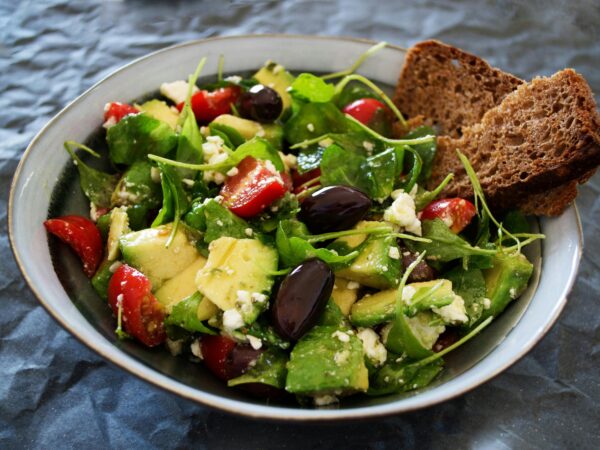
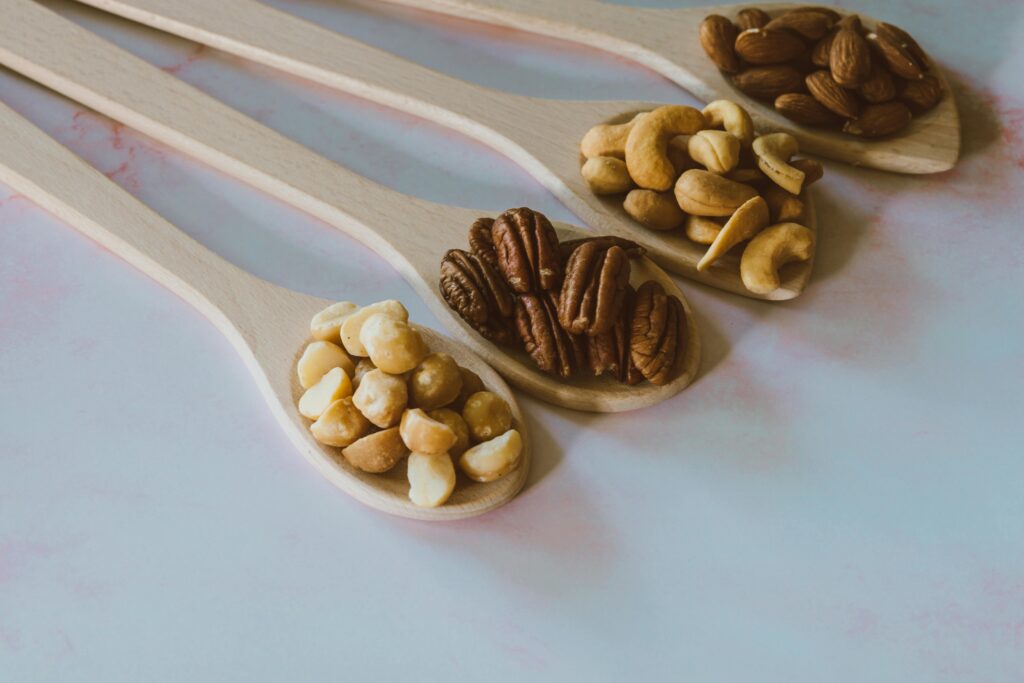
The Mediterranean diet is well known for including nutrient-rich foods that support long-term health, and nuts are one of its most important staples. Packed with healthy fats, plant-based protein, fiber, vitamins, and minerals, Mediterranean diet nuts make a satisfying snack and an easy way to add more nutrition to your meals.
In this guide, you’ll discover the 4 best Mediterranean diet nuts, learn about their health benefits, and find simple ways to include them in your everyday meals as part of a healthy Mediterranean lifestyle.
Why Are Nuts Important in the Mediterranean Diet?
Nuts are one of the key foods in the Mediterranean diet because they provide a combination of healthy fats, plant-based protein, fiber, vitamins, and minerals. Eating a small handful of nuts regularly can help make meals more satisfying while adding important nutrients to your diet.
Unlike many processed snacks, Mediterranean diet nuts are naturally rich in heart-healthy monounsaturated and polyunsaturated fats. They also contain antioxidants, magnesium, vitamin E, and other nutrients that support overall health.
The Mediterranean diet encourages enjoying a variety of nuts throughout the week. Almonds, walnuts, pistachios, and hazelnuts are among the most popular choices because they are versatile, delicious, and easy to add to salads, yogurt, oatmeal, trail mixes, or simply enjoy as a snack between meals.
The 4 Mediterranean diet nuts
Almonds
Almonds are a highly nutritious food, offering many health benefits. These small, protein-packed nuts are rich in healthy fats, fiber, vitamins, and minerals, making them a valuable addition to a balanced diet. Here are some of the key health benefits of almonds:
- Heart Health: Almonds are rich in monounsaturated fats, which are known to reduce LDL cholesterol levels (the “bad” cholesterol) and increase HDL cholesterol (the “good” cholesterol). This helps lower the risk of heart disease. Additionally, the magnesium and potassium content in almonds support healthy blood pressure.
- Rich in Antioxidants: Almonds contain potent antioxidants, primarily in their brown skin. These antioxidants, such as vitamin E, help protect cells from oxidative stress and inflammation, reducing the risk of chronic diseases, including heart disease and cancer.
- Supports Weight Management: Almonds, despite being high in fat, can support weight management. Their combination of protein, fiber, and healthy fats increases feelings of fullness, helping reduce overall calorie intake. Studies have shown that almond consumption can aid in weight loss as part of a balanced diet.
- Promotes Healthy Blood Sugar Levels: Almonds are low in carbohydrates but high in healthy fats, protein, and fiber, making them a great snack for people with diabetes. They help regulate blood sugar levels and prevent post-meal spikes by slowing the absorption of carbohydrates.
- Bone Health: Almonds are a good source of calcium, magnesium, and phosphorus, important for maintaining strong bones and preventing osteoporosis.
- Improves Skin Health: Vitamin E in almonds is beneficial for skin health, as it helps protect against damage from ultraviolet rays and may prevent premature aging.
Walnuts
Walnuts are among the most common Mediterranean diet nuts and are highly nutritious nuts known for their health benefits, particularly in promoting heart and brain health. Here are some of the critical benefits of walnuts:
- Heart Health: Walnuts are rich in omega-3 fatty acids, particularly alpha-linolenic acid (ALA), which helps reduce inflammation and lower the risk of heart disease. Regular walnut consumption has been shown to reduce LDL cholesterol (the “bad” cholesterol) and improve overall cardiovascular health.
- Rich in Antioxidants: Walnuts contain powerful antioxidants like polyphenols, which help protect the body from oxidative stress, reducing the risk of chronic diseases like cancer and heart disease.
- Supports Brain Health: Walnuts contain high levels of omega-3 fatty acids, polyphenols, and other bioactive compounds that are beneficial for brain health. They may help improve memory and cognitive function and prevent age-related cognitive decline.
- Promotes Gut Health: Walnuts can increase beneficial gut bacteria, contributing to a healthier gut microbiome. A diverse gut microbiome is linked to improved digestion and overall well-being.
- Weight Management: Although walnuts are calorie-dense, their combination of protein, fiber, and healthy fats can promote satiety and help with weight control by reducing overall calorie intake.
- May Reduce Cancer Risk: Some studies suggest that walnuts’ antioxidants and nutrients, including ellagic acid and omega-3s, may help protect against certain types of cancer, particularly breast and prostate cancer.
- Anti-Inflammatory Properties: Walnuts’ polyphenols and omega-3 fatty acids help reduce inflammation associated with many chronic diseases, including arthritis and heart disease.
Hazelnuts
Among the Mediterranean nuts, Hazelnuts are native to Europe, Asia, and Continental America. Hazelnuts are packed with nutrients and offer numerous health benefits, making them an excellent addition to a balanced diet. Here are some of the key benefits:
- Rich in Healthy Fats: Hazelnuts are a great source of monounsaturated fats, which are beneficial for heart health. These fats help lower LDL (bad) cholesterol levels while maintaining HDL (good) cholesterol, reducing the risk of cardiovascular diseases.
- High in Antioxidants: Hazelnuts contain antioxidants, such as vitamin E, which protect the body against oxidative stress. This can reduce inflammation and lower the risk of chronic diseases like cancer and heart disease.
- Supports Brain Health: Hazelnuts contain high levels of vitamin E, folate, and healthy fats, which are beneficial for cognitive function. They may help prevent cognitive decline associated with aging and improve overall brain health.
- Promotes Healthy Skin: Vitamin E in hazelnuts is crucial to skin health. It helps protect the skin from damage caused by environmental factors like UV rays and pollution and may contribute to a youthful complexion.
- Improves Digestive Health: Hazelnuts are a good source of dietary fiber, which promotes healthy digestion by supporting regular bowel movements and feeding beneficial gut bacteria.
- Helps Manage Weight: Despite being high in fat, hazelnuts can help manage weight. Their combination of fiber, protein, and healthy fats promotes feelings of fullness, which may reduce overall calorie intake.
- Supports Bone Health: Hazelnuts contain magnesium, calcium, and phosphorus, important minerals for maintaining strong bones and preventing osteoporosis.
- Regulates Blood Sugar: The healthy fats and fiber in hazelnuts help slow the absorption of sugar into the bloodstream, making them beneficial for managing blood sugar levels, especially for those with diabetes.
For more details, refer to sources like Healthline and Medical News Today.Trader Joe’s Nuts Oven Roasted & Unsalted Oregon Hazelnuts
Pistachios
Pistachios are delicious, packed with nutrients, and offer several health benefits. Here are some key benefits of this delicious Mediterranean diet nuts:
- Heart Health: Pistachios are rich in heart-healthy fats, particularly monounsaturated and polyunsaturated fats. These help reduce LDL (bad) cholesterol and increase HDL (good) cholesterol, which can lower the risk of cardiovascular diseases.
- High in Antioxidants: Pistachios contain antioxidants like lutein, zeaxanthin, and polyphenols, which help protect cells from oxidative damage. These antioxidants can reduce inflammation and lower the risk of chronic diseases such as cancer and heart disease.
- Supports Weight Management: Although calorie-dense, pistachios are a great snack for weight control. Their fiber, protein, and healthy fat content increase satiety, helping manage hunger and preventing overeating. Promotes Digestive Health: Pistachios are a good source of dietary fiber, which supports healthy digestion and helps prevent constipation. Additionally, fiber acts as a prebiotic, feeding beneficial gut bacteria and improving gut health.
- Regulates Blood Sugar: Pistachios have a low glycemic index, meaning they cause a gradual rise in blood sugar. This makes them a good snack for people with diabetes or those looking to manage blood sugar levels.
- Rich in Nutrients: Pistachios are a good source of essential vitamins and minerals, including vitamin B6, which supports brain function and regulates blood sugar, and potassium, which helps control blood pressure.
- Eye Health: Pistachios contain the antioxidants lutein and zeaxanthin, which are important for eye health. They help protect the eyes from damage caused by blue light and reduce the risk of age-related macular degeneration.
- Improves Skin Health: Pistachios’ high levels of vitamin E help maintain healthy skin by protecting against UV damage and improving moisture retention.
Wonderful Pistachios No Shells, Sea Salt & Vinegar Nuts
Mediterranean Diet Nuts Recipes
Mediterranean diet nuts recipes are a flavorful and nutritious way to incorporate healthy fats, proteins, and antioxidants into your meals. Nuts like almonds, walnuts, pistachios, and hazelnuts are staples in the Mediterranean diet and are often used in sweet and savory dishes. These Mediterranean diet nuts recipes typically emphasize simple, whole-food ingredients and showcase the natural flavors of the nuts. Whether added to salads, used in sauces, or enjoyed as a snack or dessert, nuts provide a satisfying crunch and enhance the nutritional profile of any meal. Incorporating Mediterranean nut recipes into your diet can promote heart health, support weight management, and provide a rich source of vitamins and minerals.
Almond Cake
This almond cake is a delightful addition to the Mediterranean diet, emphasizing wholesome, natural ingredients. Rich in almonds and citrus, it is both flavorful and nutritious, offering a perfect balance of sweet and nutty flavors. It’s ideal for any occasion and will become a favorite in your recipe collection.

View Recipe
Frequently Asked Questions
How many nuts should I eat each day?
A typical serving is about one small handful (approximately 1 ounce or 28 grams) per day. This amount provides healthy fats, protein, and fiber while helping keep calories in balance.
Are roasted nuts healthy?
Yes. Both raw and dry-roasted nuts can be healthy choices. When possible, choose unsalted or lightly salted varieties without added oils or sugar to get the most nutritional benefits.
Which nuts are best heart health Mediterranean diet nuts?
All four nuts featured in this guide support heart health, but walnuts are especially valued because they are naturally rich in omega-3 fatty acids. Almonds, pistachios, and hazelnuts also provide heart-healthy unsaturated fats, antioxidants, and fiber that may help support healthy cholesterol levels.
Can I eat nuts every day on the Mediterranean diet?
Yes. The Mediterranean diet encourages enjoying a small serving of nuts most days of the week. They make a nutritious snack and can also be added to salads, yogurt, oatmeal, grain bowls, and many Mediterranean recipes.
What’s the healthiest way to eat Mediterranean diet nuts?
The healthiest option is to choose plain, unsalted nuts and enjoy them as a snack or add them to meals. They pair well with Greek yogurt, fresh fruit, salads, cooked vegetables, and whole-grain dishes, making it easy to include them as part of a healthy Mediterranean lifestyle.
You Might Also Like
Mediterranean Diet Guides
- Mediterranean Diet for Beginners: The Complete Guide
- 10 Mediterranean Diet Foods You Should Eat Every Week
- Mediterranean Diet Grocery List: What to Buy for Healthy Eating
- 10 Mediterranean Diet Ingredients Every Healthy Kitchen Should Have
- Best Olive Oil for Mediterranean Diet
Mediterranean Recipes
- Italian Chicken Salad With Almonds: Easy, Nutritious And Satisfying
- Kale Quinoa Salad (Healthy Mediterranean Recipe)
- Easy Chickpea Bowl Recipe (Healthy Mediterranean Lunch)
- Grilled Salmon With Quinoa And Broccoli
- Easy and Delicious Greek meatloaf with feta and spinach
Healthy Living
- 7 Healthiest Cooking Techniques (and Why They Matter)
- Benefits of Zucchini and How to Eat It
- How to Make Delicious Zucchini Noodles