Healthy cooking methods can help you prepare flavorful meals while limiting unnecessary added fat and preserving the natural qualities of your ingredients. The method you choose can influence a food’s texture, flavor and nutritional value.
Below, you’ll discover seven practical cooking methods—including baking, steaming, roasting, grilling and sautéing—and learn which foods work best with each technique. Most require little added oil and are suitable for everyday home cooking.
Healthiest Cooking Techniques
What Makes a Cooking Technique Healthy?
Healthy cooking methods does not require large amounts of added fat, sugar or salt to produce flavorful food. It should also help prevent burning and excessive charring while maintaining an appealing texture.
No single method is always the healthiest choice. The best technique depends on the food being prepared, the cooking temperature, the amount of added fat and how often that method is used. Rotating among several methods also keeps meals varied and enjoyable.
Health Canada’s healthy cooking methods guide also recommends methods such as baking, grilling, poaching, roasting, sautéing and steaming.
7 Healthy Cooking Methods
1. Baking
Baking cooks food with dry, circulating heat inside an oven. It generally requires little added oil and works well for vegetables, fish, chicken, casseroles and breads.
For vegetables, lightly coat them with olive oil and spread them in a single layer for even cooking. When baking fish or poultry, avoid overcooking, which can make the food dry.
Try this method with Healthy Zucchini Bread or Italian Beef Casserole.
2. Steaming
Steaming cooks food using the heat from water vapor without submerging it in liquid. It requires no added fat and works especially well for vegetables, fish, dumplings and poultry.
Place the food in a steamer basket above gently simmering water and cover the pot. Check it regularly to avoid overcooking. Vegetables should be tender while retaining some color and texture. Add herbs, lemon juice or a small drizzle of olive oil after cooking for extra flavor.
How to Steam Broccoli Without a Steamer
Place the broccoli florets in a large skillet or saucepan with approximately ¼ cup of water. Cover the pan and cook over medium heat for 4–6 minutes, checking occasionally. The broccoli is ready when it is bright green and easily pierced with a fork while still slightly crisp.
Carefully drain any remaining water. Season with lemon juice, black pepper, herbs or a small amount of olive oil before serving.
3. Roasting
Roasting uses dry oven heat, usually at a higher temperature than baking, to brown the outside of food while keeping the inside tender. It works particularly well for vegetables, potatoes, chicken, fish and lean cuts of meat.
Cut ingredients into similar-sized pieces, lightly coat them with olive oil and arrange them in a single layer without overcrowding the pan. Turn vegetables halfway through cooking so they brown evenly. Avoid allowing food to become heavily burned or charred.
4. Grilling
Grilling cooks food quickly over direct heat and can add flavor without requiring much added fat. It works well for vegetables, fish, chicken, tofu and lean meats.
To reduce burning and excessive charring, cook over moderate heat, turn food regularly and remove heavily blackened areas. Marinating meat, fish or poultry before grilling can also add flavor and help keep it moist.
Try this method with Healthy Grilled Salmon with Sweet Potatoes and Asparagus.
5. Stir-Frying or Sautéing
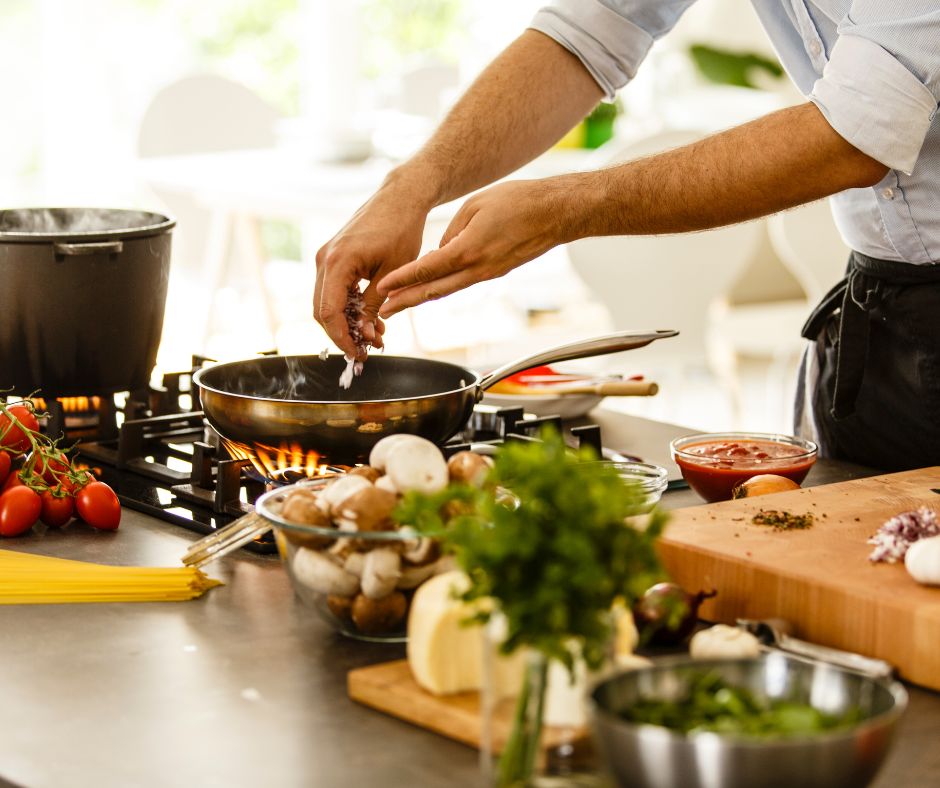
Stir-frying and sautéing cook vegetables, meat, fish or tofu quickly in a small amount of oil. The short cooking time helps ingredients retain their color and texture.
Cut ingredients into evenly sized pieces before cooking. Heat a small amount of olive or avocado oil, begin with ingredients that require more cooking time and add delicate vegetables last. Stir frequently to prevent burning.
6. Blanching
Blanching involves briefly placing food—usually vegetables—in boiling water and then transferring it immediately to ice water. This stops the cooking process and helps vegetables retain their color and crisp texture.
Blanching works well for broccoli, green beans, asparagus and leafy greens. It is also useful when preparing vegetables for salads, freezing or another cooking method.
7. Poaching
Poaching gently cooks delicate foods in water, broth or another liquid kept just below boiling. It requires little or no added fat and works well for eggs, fish, chicken and fruit.
Keep the liquid at a gentle simmer because vigorous boiling can break apart delicate foods or make meat tough. Herbs, spices, citrus and broth can add flavor to the poaching liquid.
Final Thoughts
Healthy cooking methods do not need to be complicated. Baking, steaming, roasting, grilling, sautéing, blanching and poaching give you practical ways to prepare varied meals with minimal added fat. Choose the method that best suits the ingredient and the flavor and texture you want to achieve.
Related Healthy Cooking Resources
- Mediterranean Diet for Beginners: The Complete Guide
- Anti-Inflammatory Diet: Beginner’s Guide
- 10 Best Anti-Inflammatory Foods to Eat
- Anti-Inflammatory Pantry: Essential Staples to Keep on Hand
- Healthy Grilled Salmon Recipe with Sweet Potatoes & Asparagus
- Healthy Zucchini Bread (Easy, Moist & Made with Olive Oil)
- Easy Italian Beef Casserole (Healthy Family Dinner)