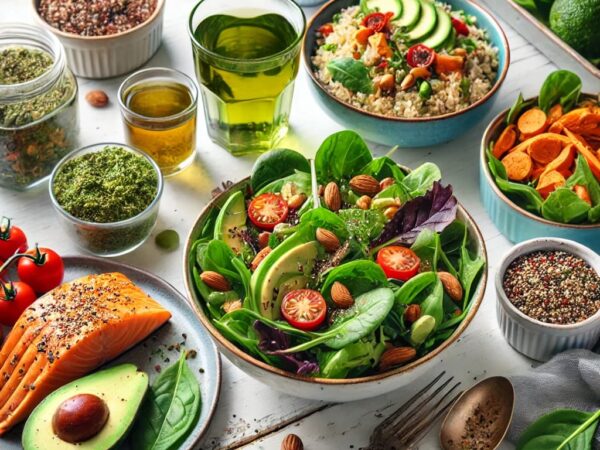
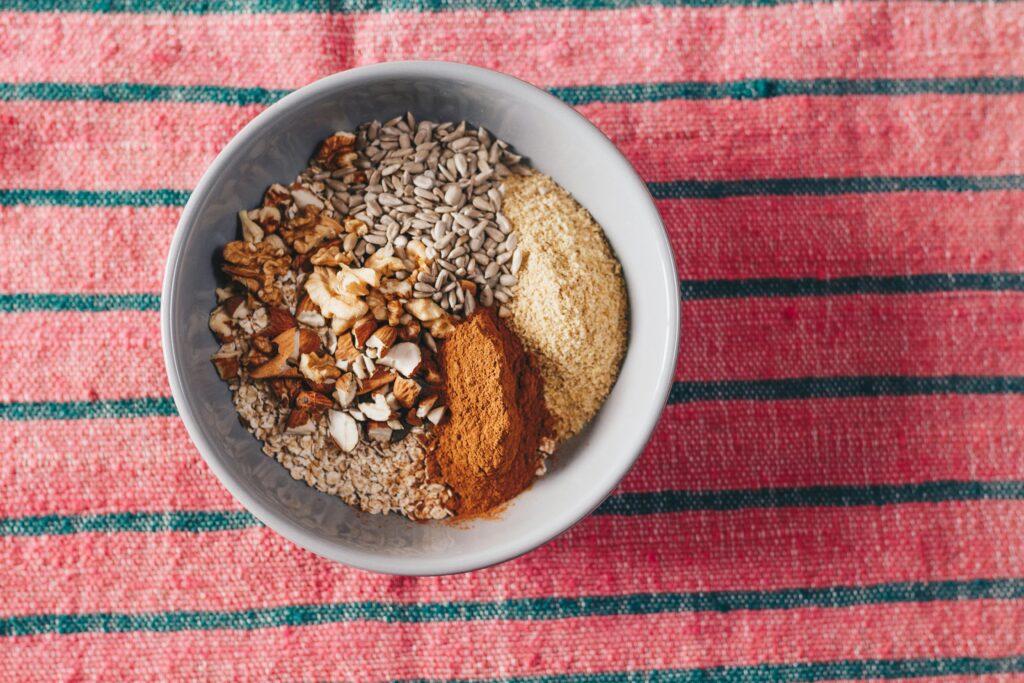
Breakfast is more than just the first meal of the day—it’s your opportunity to fuel your body with the nutrients it needs to thrive. An Anti-Inflammatory Breakfast can do wonders for your health by reducing inflammation, boosting energy levels, and providing essential vitamins and minerals to keep you feeling your best.
Starting your day with anti-inflammatory foods boosts energy and supports overall health. Moreover, choosing nutrient-rich options helps reduce inflammation naturally. Try a smoothie with berries and turmeric, or enjoy avocado toast on whole-grain bread. Additionally, oatmeal with nuts and seeds provides lasting fuel. Ultimately, small changes in breakfast choices can make a big difference in well-being.
Why Breakfast Matters for Inflammation
Breakfast sets the tone for your entire day — not just for energy, but also for your body’s inflammatory response. Skipping breakfast or choosing high-sugar, processed foods can cause blood sugar spikes, which increase oxidative stress and trigger inflammation. A balanced breakfast helps stabilize glucose levels, preventing mid-morning crashes and cravings.
Cortisol, your body’s stress hormone, is naturally higher in the morning. Eating the right foods can lower excess cortisol and keep inflammation under control. Starting your day with nutrient-dense, anti-inflammatory ingredients gives your cells the tools they need to repair, reduces chronic inflammation risk, and supports steady energy, mood, and focus throughout the day.
Best Anti-Inflammatory Breakfast Ingredients
Fiber-Rich Foods (Oats, Quinoa, Sweet Potato)
Fiber is one of the most powerful allies in fighting inflammation. It slows digestion, stabilizes blood sugar, and supports a healthy gut microbiome — all key to reducing inflammatory markers. Oats provide beta-glucans, which can lower cholesterol and inflammation. Quinoa is a complete plant protein that’s naturally gluten-free and rich in fiber. Sweet potatoes offer both soluble and insoluble fiber, along with antioxidants like beta-carotene. Adding these fiber-rich foods to your breakfast keeps you full, prevents energy crashes, and promotes long-term metabolic health.
Healthy Fats (Avocado, Nuts, Seeds)
Healthy fats are essential for reducing inflammation at the cellular level. Avocados are loaded with monounsaturated fats and antioxidants that protect against oxidative stress. Nuts such as almonds and walnuts provide omega-3s, vitamin E, and magnesium — all linked to lower inflammatory markers. Seeds like chia, flax, and pumpkin offer a concentrated source of plant-based omega-3s and fiber. Including these fats at breakfast supports hormone balance, brain health, and satiety while calming inflammation throughout the body.
Anti-Inflammatory Spices (Turmeric, Cinnamon, Ginger)
Spices are small but mighty when it comes to anti-inflammatory power. Turmeric contains curcumin, one of the most studied natural compounds for lowering inflammation. Cinnamon helps regulate blood sugar and reduces insulin spikes, making it perfect for people with metabolic concerns. Ginger has gingerols, compounds that ease inflammation and improve digestion. Sprinkling these spices into porridge, smoothies, or teas is an easy way to turn a simple breakfast into an anti-inflammatory powerhouse.
Antioxidant-Rich Fruits (Berries, Cherries, Citrus)
Fruits provide antioxidants that neutralize free radicals, reducing cellular damage and inflammation. Berries — especially blueberries, strawberries, and blackberries — are packed with anthocyanins, compounds known to lower inflammatory markers. Cherries contain powerful anti-inflammatory compounds that can reduce muscle soreness and joint pain. Citrus fruits like oranges, lemons, and grapefruits supply vitamin C, which supports immune function and collagen production while fighting oxidative stress. Including these fruits in your breakfast boosts nutrient intake and helps protect against chronic disease.
If you’re new to anti-inflammatory eating, begin with our complete anti-inflammatory living guide for a full overview of the lifestyle approach.
8 Anti-Inflammatory Breakfast Ideas
Replace inflammatory staples with anti-inflammatory essentials. Make sure to have the essential ingredients. For detailed guidance, check out my article: “How to Build an Anti-Inflammatory Pantry: Essentials to Stock Up On“.
Sweet Potato And Spinach Scramble
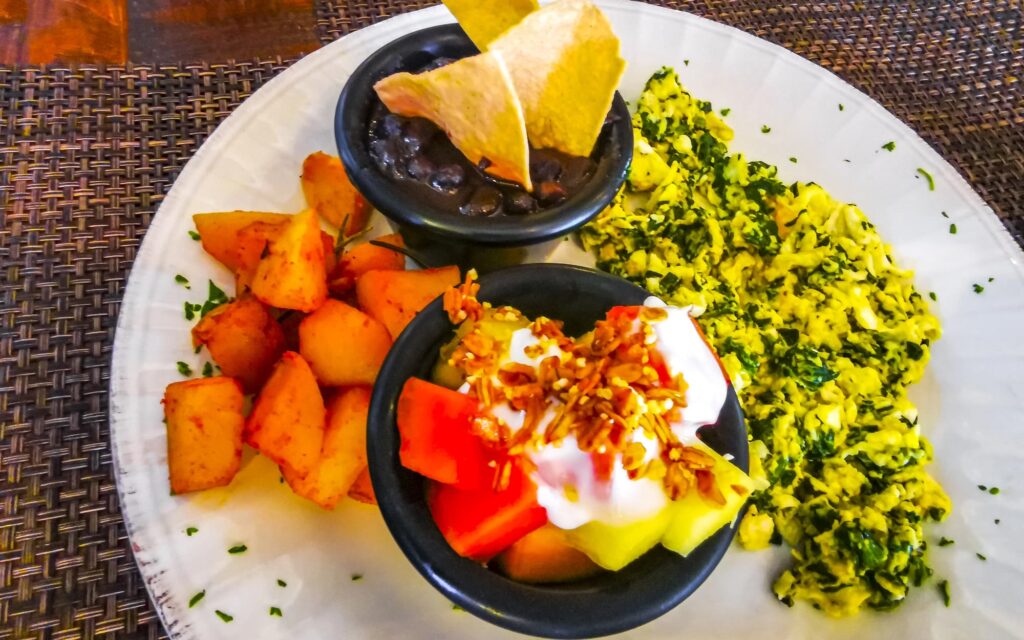
This savory scramble combines sweet potatoes, a fiber-rich complex carb, with leafy greens like spinach, loaded with antioxidants and magnesium. Sweet potatoes stabilize blood sugar while spinach provides anti-inflammatory phytonutrients that protect cells from oxidative stress. Together, they create a filling, energizing breakfast that fuels your morning without triggering inflammation.
Why it works: Fiber + antioxidants = steady energy and lower inflammatory markers.
Breakfast Porridge with Turmeric and Almonds
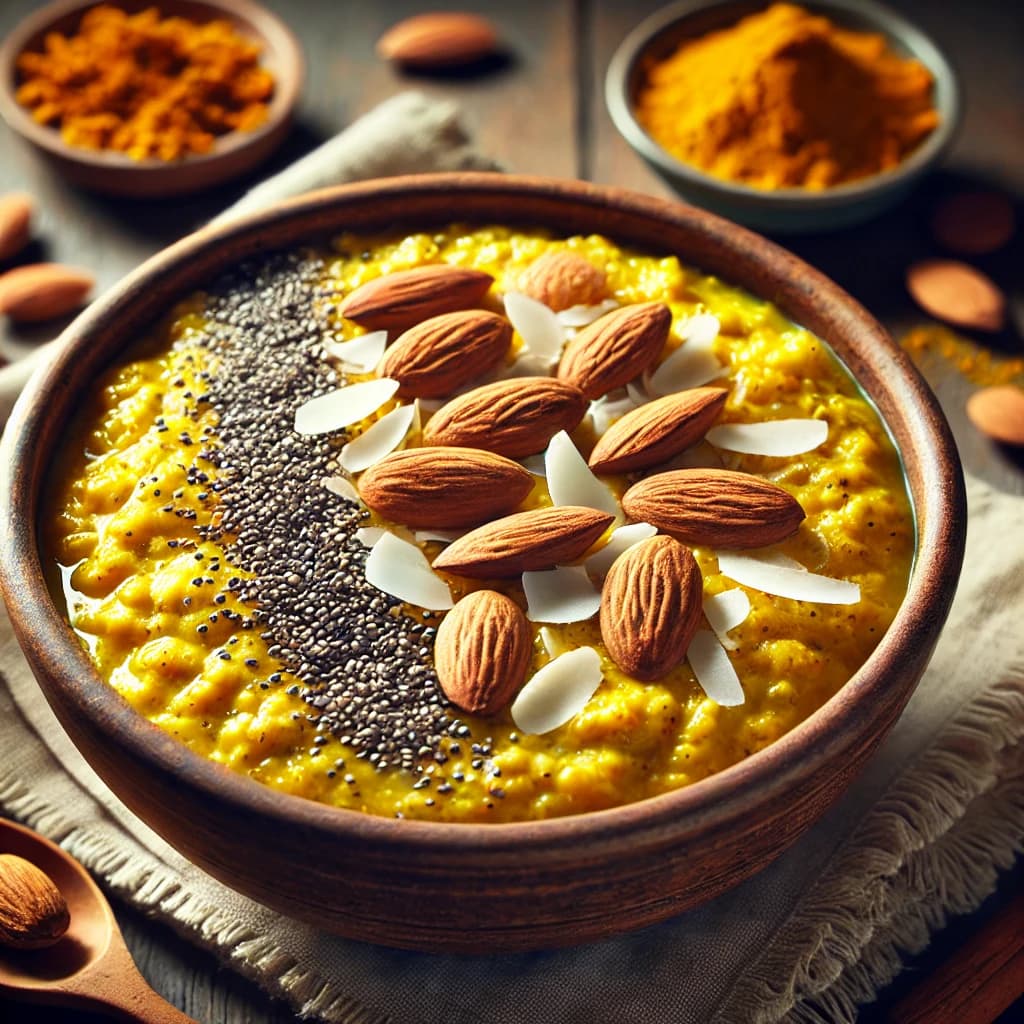
This warming porridge features oats, almonds, and a golden touch of turmeric. Oats provide beta-glucans that support heart health, almonds add vitamin E (a powerful antioxidant), and turmeric delivers curcumin, one of the most studied natural anti-inflammatories. A sprinkle of cinnamon or ginger can boost the effect even further.
Why it works: Combines whole grains, healthy fats, and powerful anti-inflammatory spices in one comforting bowl.
Greek Yogurt with Berries

Chia seeds are a plant-based source of omega-3s and soluble fiber, both of which improve gut health and reduce inflammation. Paired with antioxidant-rich berries like blueberries and raspberries, this recipe fights oxidative stress and supports insulin sensitivity. It’s an easy make-ahead option for busy mornings.
Why it works: Omega-3s + antioxidants = joint, brain, and heart protection.
Flavorful Tofu Scramble
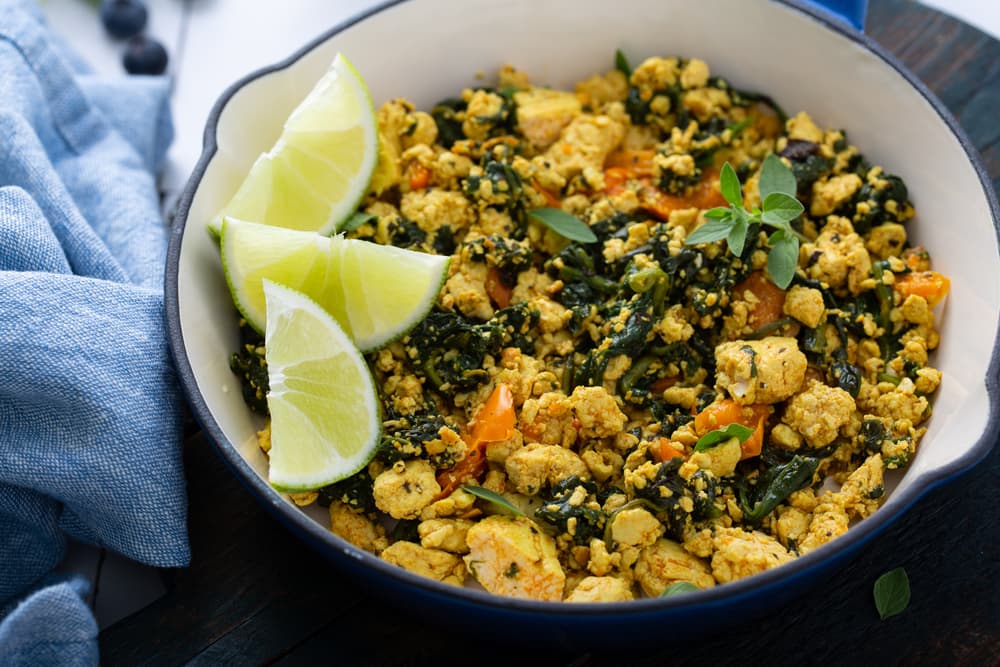
A savory, egg-free scramble that comes together in about 15 minutes. Firm tofu takes on the flavor of turmeric, paprika, and oregano, while a splash of almond milk keeps the texture soft and creamy. Good on its own, or on whole-grain toast with avocado.
Why it works: Turmeric delivers curcumin, one of the most studied anti-inflammatory compounds, and pairing it with black pepper improves absorption. Tofu adds plant protein and isoflavones, olive oil brings monounsaturated fats, and garlic and onion contribute sulfur compounds linked to lower inflammatory markers.
Healthy Zucchini Bread (Easy, Moist & Made with Olive Oil)
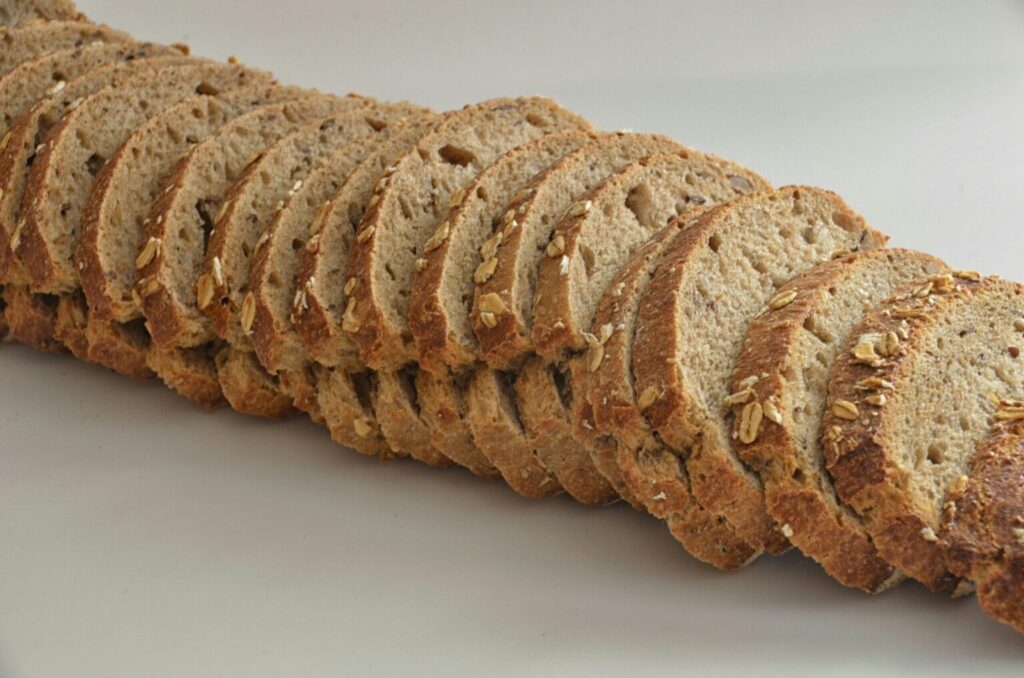
A moist, lightly sweet loaf made with olive oil instead of butter and whole wheat flour instead of white. Honey or maple syrup replaces refined sugar, and grated zucchini keeps every slice tender. Good warm for breakfast, or sliced for an afternoon snack with tea.
Why it works: Extra-virgin olive oil supplies oleocanthal and monounsaturated fats, both linked to lower inflammatory markers. Whole wheat flour adds fiber that steadies blood sugar rather than spiking it, cinnamon supports insulin sensitivity, and walnuts contribute plant-based omega-3s.
Easy Shakshuka
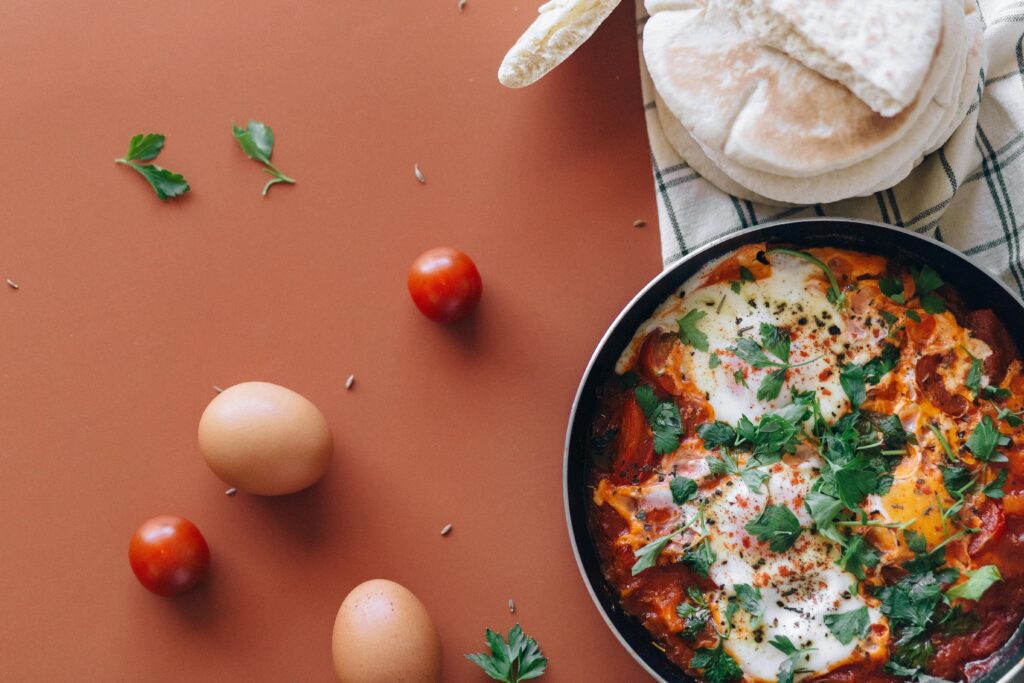
Eggs poached in a spiced tomato and pepper sauce — a North African and Middle Eastern classic that works just as well for dinner as breakfast. Everything cooks in one skillet in about 30 minutes. Serve straight from the pan with crusty bread for scooping.
Why it works: Cooked tomatoes are the standout here — heat makes their lycopene more absorbable, and it’s one of the most studied antioxidants for reducing oxidative stress. Bell peppers add vitamin C, olive oil brings monounsaturated fats, and cumin, paprika, and coriander each contribute their own anti-inflammatory compounds. Eggs round it out with protein and choline.
Almond Banana Pancakes

Naturally gluten-free pancakes made with almond flour and sweetened mostly by an overripe banana. They cook up soft and slightly nutty, with just a tablespoon of maple syrup in the batter. Ready in about 20 minutes — a weekend breakfast that won’t leave you crashing by mid-morning.
Why it works: Almond flour brings vitamin E, magnesium, and healthy fats, all linked to lower inflammatory markers, and it keeps the carb load far below regular flour. Banana adds potassium and natural sweetness so you need very little added sugar. Eggs supply protein and choline for steady energy.
Berry Chia Pudding Easy & Delicious

A make-ahead breakfast that takes five minutes of actual work. Stir everything together at night, and by morning the chia seeds have thickened into a creamy pudding. Top with berries, nuts, and hemp seeds just before eating. Keeps for up to four days in the fridge.
Why it works: This one stacks several anti-inflammatory ingredients at once. Chia seeds are among the richest plant sources of ALA omega-3s and soluble fiber. Turmeric contributes curcumin, cinnamon supports blood sugar balance, and berries deliver anthocyanins — the pigments linked to lower inflammatory markers. Walnuts add more omega-3s.
Breakfast Swaps for Lower Inflammation
Not all breakfast choices are created equal. While some common staples like white toast, pastries, or sugary cereals may taste good, they can spike blood sugar, increase inflammation, and leave you feeling drained by mid-morning. The good news? Simple swaps can transform your breakfast into a powerful tool for reducing inflammation and boosting energy.
Here’s a quick comparison chart to guide you:
| Inflammatory Breakfast | Why It’s Problematic | Anti-Inflammatory Swap | Why It’s Better |
|---|---|---|---|
| White toast with butter | Refined carbs spike blood sugar; butter is high in saturated fats | Whole-grain toast with avocado | Provides fiber + healthy fats that reduce inflammation |
| Sugary cereal with milk | High in sugar, low in fiber, causes glucose spikes | Oats topped with berries & chia seeds | Rich in fiber, antioxidants, and omega-3s |
| Processed breakfast sandwich (bacon, cheese) | Processed meats raise inflammatory markers; refined bread lacks nutrients | Veggie omelet with spinach and olive oil | Provides protein, antioxidants, and anti-inflammatory fats |
| Donuts or pastries | Loaded with refined flour, sugar, and trans fats | Greek yogurt with nuts and fresh fruit | Adds probiotics, protein, and antioxidants |
| Flavored coffee drinks (high sugar syrups) | Excess sugar increases inflammation and insulin spikes | Green tea or black coffee with cinnamon | Rich in polyphenols and antioxidants |
By making these swaps, you don’t have to give up your favorite flavors — you just upgrade them. A bowl of oats with berries gives you the sweetness of cereal without the crash, and avocado toast is just as satisfying as buttered white bread, but far better for your long-term health. Small daily changes add up, and these swaps are a simple way to support your anti-inflammatory lifestyle.
Looking for more anti-inflammatory breakfast ideas? Anti-Inflammatory Diet for Beginners | 75 Recipes + Free 7-Day Meal Plan includes easy breakfasts plus lunches, dinners, soups, snacks, and desserts to help you enjoy anti-inflammatory eating every day.
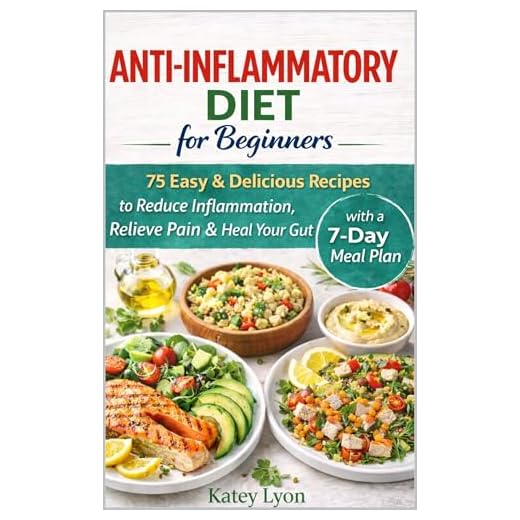
Anti-Inflammatory Diet For Beginners: 75 Easy & Delicious Recipes with a 7-Day Meal Plan to Reduce Inflammation, Relieve Pain & Heal Your Gut
$2.99
in stock
Amazon.com
FAQs About Anti-Inflammatory Breakfasts
What is the best breakfast for inflammation?
The best anti-inflammatory breakfast is one that balances fiber, healthy fats, and antioxidants. A great example is oatmeal topped with berries, chia seeds, and a drizzle of almond butter. The oats provide steady energy, the berries deliver antioxidants, and the chia seeds add omega-3 fatty acids that fight inflammation. Starting the day with a meal like this keeps blood sugar stable, reduces oxidative stress, and supports long-term health.
Are eggs anti-inflammatory or inflammatory?
Eggs can be part of an anti-inflammatory breakfast when eaten in moderation. They are rich in high-quality protein, vitamins, and antioxidants like lutein. However, preparation matters: avoid frying them in unhealthy oils or pairing them with processed meats like bacon. Instead, try a veggie omelet cooked with olive oil and spinach — a much more anti-inflammatory choice that provides protein and antioxidants without the harmful fats.
Is coffee good or bad for inflammation?
Coffee itself is rich in polyphenols, powerful antioxidants that may help reduce inflammation. However, the benefits disappear when it’s loaded with sugar, flavored syrups, or processed creamers. For an anti-inflammatory option, enjoy black coffee or add cinnamon, almond milk, or coconut milk instead of sugary creamers. If you’re sensitive to caffeine, green tea is an excellent alternative with added anti-inflammatory properties.
What is the quickest anti-inflammatory breakfast?
What is the quickest anti-inflammatory breakfast?
If you’re short on time, a smoothie is one of the easiest anti-inflammatory breakfasts. Blend spinach, frozen berries, almond milk, and a tablespoon of chia or flax seeds for a nutrient-dense meal in under 5 minutes. Overnight oats with turmeric, cinnamon, and walnuts are another great make-ahead option. Both provide anti-inflammatory benefits while fitting into a busy lifestyle.
You Might Also Like
Anti-Inflammatory Diet Guides
- Anti-Inflammatory Diet: Beginner’s Guide
- 10 Best Anti-Inflammatory Foods to Eat
- 8 Inflammatory Foods to Avoid on an Anti-Inflammatory Diet
- Anti-Inflammatory Pantry: Essential Staples to Keep on Hand
- Turmeric for Inflammation: 5 Benefits and Easy Ways to Use It
Anti-Inflammatory Recipes
- Anti-Inflammatory Bone Broth Recipe (Slow Cooker or Stovetop)
- Healthy Sweet Potato Breakfast Hash
- 14 Best Anti-Inflammatory Snacks to Eat
- Easy Red Lentil Soup Recipe (Healthy & Plant-Based)
Recommended Cookbook
Best Anti-Inflammatory Cookbook: 3 Top Picks for Beginners
Anti-Inflammatory Diet for Beginners | 75 Recipes + Free 7-Day Meal Plan