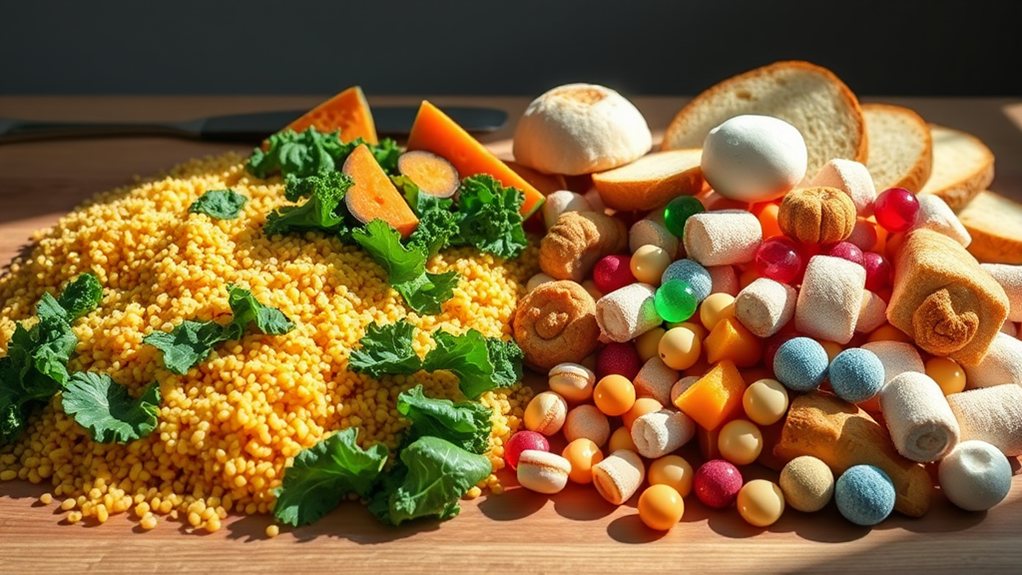
Discover the best and worst foods for insulin resistance. Learn what to eat, what to limit, and how to build meals that balance blood sugar. What are the best and worst foods for insulin resistance? . It’s a coincidence that what you eat influences your body’s response to insulin. Making informed food choices can considerably impact your insulin sensitivity and overall health. Understanding the best foods to incorporate and the worst ones to avoid can empower you to manage insulin resistance effectively. By focusing on nutrient-dense options, you can stabilize blood sugar levels and promote lasting energy. So, which foods should you prioritize or steer clear of to achieve this balance?
Some people also consider targeted supplements for insulin resistance to support blood sugar control alongside diet.
Read more Insulin Resistance 101: Warning Signs, Root Causes, and How to Heal It
Understanding Insulin Resistance
If you’re new to the topic, this short video from the Mayo Clinic gives a simple explanation of what insulin resistance is and why it matters. After watching, scroll down to discover which foods to eat — and which to avoid — to start improving your insulin sensitivity today
Insulin resistance happens when your body’s cells — especially in the liver, muscle, and fat — don’t respond properly to insulin. As a result, your pancreas produces more insulin to keep blood sugar stable, which can eventually lead to higher glucose levels and greater health risks.
Common signs include fatigue after meals, increased cravings for carbs, weight gain around the belly, frequent thirst, and skin changes like dark patches. If left unchecked, insulin resistance can increase the risk of type 2 diabetes, heart disease, and metabolic syndrome.
The good news? Diet and lifestyle changes can make a powerful difference, which is why choosing the right foods is so important.
Best Foods for Insulin Resistance
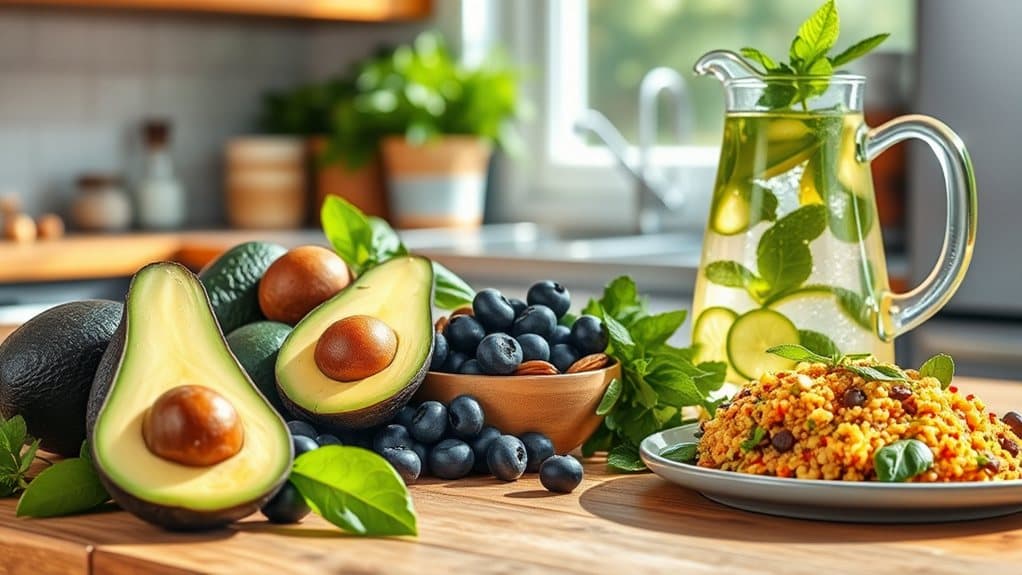
Eating the right foods for insulin resistance is one of the most effective ways to improve insulin sensitivity. These nutrient-dense options help balance blood sugar, reduce inflammation, and keep energy steady throughout the day.
Mediterranean Diet Cookbook for Beginners: 84 Quick & Easy Recipes from Greece, Spain, Italy & Beyond + 7-Day Meal Plan: Healthy, Delicious & Authentic…
$2.99
out of stock
Amazon.com
Complex Carbohydrates
Complex carbs provide slow, steady energy instead of spiking blood sugar.
- Whole grains: oats, quinoa, brown rice, farro
- Fiber-rich carbs: keep you full and slow digestion
- Low-GI options: reduce insulin spikes
Pair whole grains with healthy fats (olive oil, avocado) for better blood sugar control.
Non-Starchy Vegetables
Vegetables like leafy greens and cruciferous veggies are low in calories, rich in fiber, and packed with antioxidants.
- Support weight management
- Improve insulin signaling
- Reduce inflammation
Aim for at least 2–3 cups daily, using a mix of fresh, frozen, or no-salt-added canned vegetables.
Healthy Fats for Better Insulin Sensitivity
Not all fats are bad. In fact, the right ones can improve insulin function.
- Monounsaturated fats: olive oil, avocados, nuts
- Polyunsaturated fats: fatty fish, flaxseeds
- Omega-3s: reduce inflammation and support heart health
Limit saturated fats (red meat, butter) and avoid trans fats (processed snacks, margarine).
Lean Protein Sources
Protein stabilizes blood sugar, supports muscle, and promotes fullness.
- Best choices: skinless poultry, fatty fish, eggs, beans, lentils, low-fat dairy
- Avoid: processed meats and fried options
Combine protein with vegetables or whole grains for balanced meals.
Low-Glycemic Fruits
These fruits provide antioxidants and fiber without big sugar spikes.
- Cherries (GI 20–25): heart and brain support
- Blueberries (GI 28–40): reduce inflammation
- Pears (GI 30): high in fiber
- Apples (GI 36–39): may improve blood sugar control
- Grapefruit (GI 25–26): antioxidant-rich, low impact
Worst foods for insulin resistance
Certain foods can worsen insulin resistance and should be minimized:
- Sugary drinks: soda, juices, sweetened milks
- Refined carbs: white bread, pastries, pasta from refined flour
- Fried foods & processed meats: fries, bacon, sausages
- Ultra-processed snacks: chips, candy, instant noodles
- Hidden sugars: flavored yogurts, canned fruits, oat milk with additives
Rule of thumb: choose whole, high-fiber foods instead of processed items.
Additional Strategies for Managing Insulin Resistance
Food is the foundation, but lifestyle also plays a role.
- Exercise: Walking, strength training, or cycling improve insulin sensitivity.
- Balanced eating: Prioritize whole foods over high-glycemic carbs.
- Stress & sleep: Both affect hormones that regulate blood sugar.
- Medical guidance: Some people may benefit from Metformin or GLP-1 medications under supervision.
Consistency is key — small, sustainable changes matter most.
More About Insulin Resistance
To learn more, explore these guides:
- How to Reverse Insulin Resistance: Diet, Foods & 7-Day Meal Plan
- 10 Early Warning Signs of Insulin Resistance You Shouldn’t Ignore
- Insulin Resistance vs Prediabetes: What’s the Difference?
- Insulin Resistance and Weight Gain: What’s the Connection?
- Intermittent Fasting and Insulin Resistance
- The Best and Worst Foods for Insulin Resistance
- Easy 7-Day Meal Plan for Insulin Resistance
- Best Supplements for Insulin Resistance
- Low Glycemic Foods for Insulin Resistance Examples